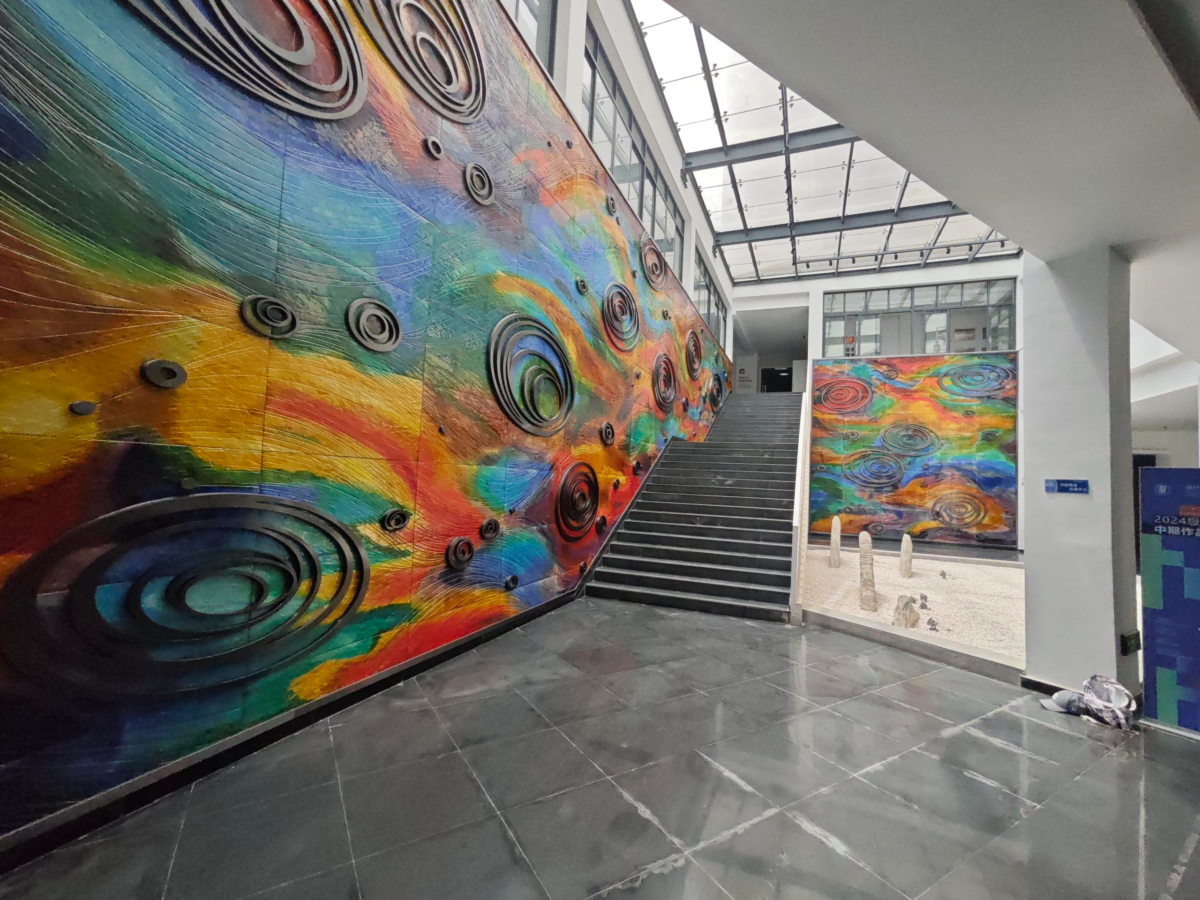
Ceramic form symbolizes a striking art genre with a considerable past, spanning back legions of eras. From ancient urns to state-of-the-art exhibitions, the matter offers unique possibilities for creative manifestation. Makers adopt assorted techniques – including modeling, wheel rotating, and elevated firing processes – to manufacture humble earth into captivating three-dimensional sculptures. The robustness of fired ceramic also contributes to its status as a truly significant part of human tradition.
Analyzing Porcelain Sign Designs and Methods
The field of ceramic marker design offers a extensive array of expressive possibilities. Crafters often engage a variety of ancestral and new techniques to construct visually stunning pieces. These can include from simple, etched reliefs to complex, multi-layered formulations. Conventional methods include pattern casting, forming by hand, coating application – which can involve diverse modes like primary coloration, decoration on top of the glaze, and scratched decoration where designs are exposed by removing a layer of coating. Further exploration into finishing techniques such as the raku firing method and lustre decoration can yield truly rare and specialized clay tablets.
- Form Casting - Forming pieces using a mold
- Manual Crafting - Precisely forming the loam
- Coating - Covering the surface with a smooth finish
- Etched illustration - Disclosing designs by removing surfaces
Entrancing Experiences: Porcelain Art Exhibits
The progressing landscape of design presents exciting innovative avenues for viewers, and ceramic art installations are at the apex of this wave. These aren't just static sculptures; they are assembled to envelop the onlooker in a sensory setting. Imagine moving inside a forest of towering, textured ceramic trees, or navigating a cluster of fine ceramic vessels. Many artists are now incorporating acoustics, illumination, and even bouquet to enhance the effect of their work. Consider the power of a room filled with hundreds of meticulously ceramic items, each telling a fable. Regularly, such installations scrutinize themes of natural world, memory, and mankind.
- These installations blur the frontiers between art and construction.
- Encountering a ceramic art installation can be a deeply profound journey.
- Creators are exploring the boundaries of what is feasible with clay.
A Elegance of the Ceramic Urn: Meaning and Design
The terracotta pot represents a notable blend of usefulness and imaginative appeal. Historically, these containers served a fundamental job in storing items, but their evolution has transformed them into highly valued works of design. Each component showcases the skill of the artist, demonstrating how outline can be as important as use. The attentive shaping, the rare glazes, and the general presence of a skillfully-formed receptacle can elevate a space, offering both charm and a intimate reminder of the human hand.
Current Earthenware Figure : Challenging Frontiers
Modern clay creation represents a fascinating movement from ancestral practices. Artists are boldly exploring with fresh tactics, merging the separations between sculpture and various visual realms. From grand installations to precise miniature pieces, mentioned works scrutinize themes of background while concomitantly redefining the very of what clay can represent. The outcome is a vibrant field of artistic design.
Clay Tablet: Safeguarding Heritage in Clay
Ceramic plaques offer a unique method for documenting significant events and souls. Distinguished from traditional metal or stone markers, these hardwearing pieces of handiwork are formed from heated clay, creating a palpable link to the yesteryear. Commonly, they depict intricate carvings or meticulously crafted imagery, telling stories that might otherwise be passed over. One technique, linked to ancient peoples, provides a visually ceramic sculpture appealing and permanent way to respect our collective chronicle.
- The aforementioned can be positioned in communal spaces.
- Scores of are now acknowledged historical heirlooms.
Clay Art Installations: Modifying Settings
Clay art installations are emerging a impactful medium for craftsmen to reshape public and private environments. These immersive artworks frequently involve monumental clay designs that absorb viewers, influencing their insight of the assembled environment. By integrating diverse ways like manual assembly and sophisticated firing methods, ceramic artists develop truly remarkable experiences, breaking down the separations between sculpture and building. The outcome is often a strong shift that raises the stylistic quality of the space and promotes debate.
Commencement Wheel to Spectacle: The Craft of the Porcelain Vase
The journey of a pottery vessel from a simple lump of soil to a developed work of creation is a testament to human resourcefulness. Initially, the process originates with the potter’s spinning device, where the masterful artisan shapes the whirling loam into a cylindrical structure. This beginning stage demands exactness and a acute eye, followed by a delicate hardening period. Once pre-fired, the vase is ready for adornment, which may require designing intricate motifs, inscribing detailed vignettes, or using a collection of surfaces. The ultimate curing process then renders the component into a durable and stunning urn, a tangible symbol of the potter's dedication.
Modeling with Terracotta: A Tutorial to Pottery Work
Engaging the landscape of brick craft begins with knowing the foundations of crafting with porcelain. This method entails deliberately incorporating and chiseling stuff to generate three-dimensional objects. Whether you're a novice or a skilled craftsperson, testing with diverse classes of stoneware – specifically clay – will facilitate you identify your special manner. In conclusion, porcelain shaping is a worthwhile quest that merges skilled talent with inventive demonstration.
Comments on “Can One Hundred Blooms become a recognizable signature across your SKUs?”